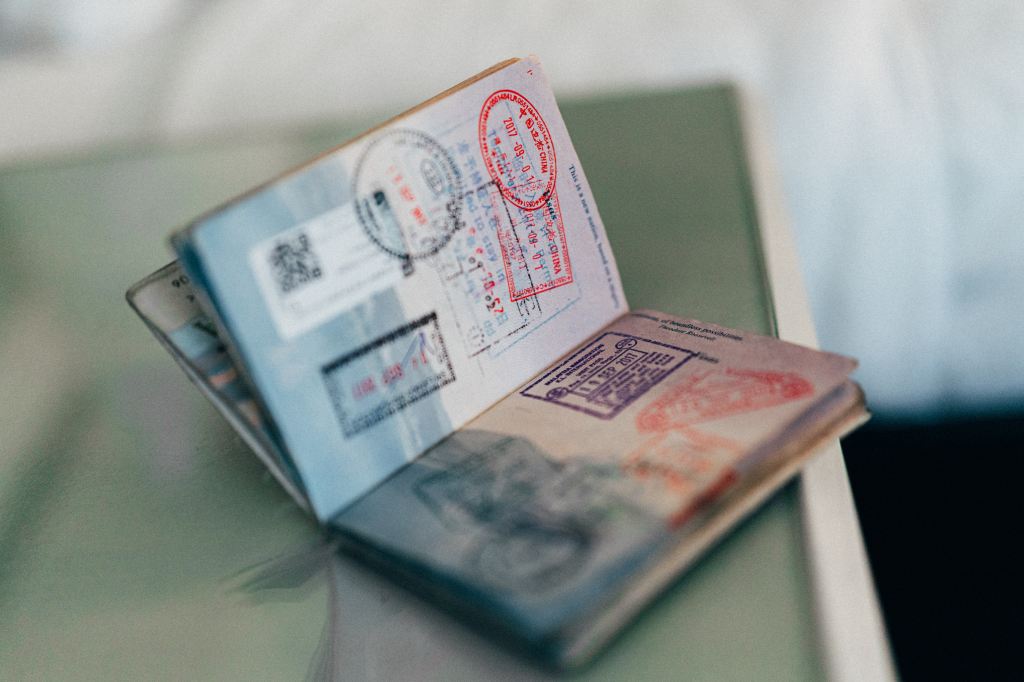
Bangkok is one of the most popular destinations for digital nomads who want to enjoy a vibrant city life, a low cost of living, and a friendly culture. However, finding the best visa option for staying in Bangkok can be challenging, as there are many factors to consider, such as your nationality, your income, your duration of stay, and your purpose of visit.
In this blog post, we will explore some of the best visa options for digital nomads in Bangkok, and provide some tips on how to apply for them.
Tourist Visa
The tourist visa is the most common and easiest option for digital nomads who want to stay in Bangkok for a short period of time, usually up to 60 days. You can apply for a tourist visa at any Thai embassy or consulate in your home country or in a third country. The requirements and fees may vary depending on your nationality, so make sure to check with the Thai embassy or consulate before you apply.
The tourist visa can be extended for another 30 days at any immigration office in Thailand, for a fee of 1,900 baht (about $60). However, you can only extend your tourist visa once, and you cannot work legally with a tourist visa.
If you want to stay longer than 90 days with a tourist visa, you will have to do a visa run, which means leaving Thailand and re-entering with a new tourist visa. This can be done by traveling to a neighboring country, such as Cambodia, Laos, Malaysia, or Myanmar, and applying for a new tourist visa there. However, this can be costly and time-consuming, and you may face difficulties at the border if you do too many visa runs.
Special Tourist Visa (STV)
The special tourist visa (STV) is a new option that was introduced by the Thai government in 2020 to attract long-term tourists amid the COVID-19 pandemic. The STV allows you to stay in Thailand for up to 90 days, and can be extended twice for another 90 days each time, for a total of 270 days.
However, the STV has some strict requirements and conditions that may not suit everyone. To apply for an STV, you need to:
- Be from a low-risk country according to the Thai government’s criteria
- Have proof of accommodation in Thailand for the entire duration of your stay
- Have proof of health insurance that covers COVID-19 treatment and has a minimum coverage of $100,000
- Have proof of a negative COVID-19 test result within 72 hours before departure
- Have proof of booking and payment for an alternative state quarantine (ASQ) facility in Thailand for 14 days upon arrival
- Pay a fee of 2,000 baht (about $65) per 90-day period
You also need to apply for an STV through an authorized travel agent in your home country or in Thailand. You cannot apply directly at the Thai embassy or consulate.
The STV is a good option for digital nomads who want to stay in Thailand for a long time without doing visa runs, and who are willing to comply with the COVID-19 measures. However, you still cannot work legally with an STV.
Non-immigrant Visa
The non-immigrant visa is a more formal and stable option for digital nomads who want to stay and work legally in Thailand. There are different types of non-immigrant visas depending on your purpose of visit, such as business (B), education (ED), retirement (O-A), marriage (O), etc.
The non-immigrant visa usually allows you to stay in Thailand for up to 90 days per entry, and can be extended for another year at an immigration office in Thailand. However, you need to have a valid reason and supporting documents to apply for a non-immigrant visa and extension.
For example, if you want to apply for a business (B) visa, you need to have an invitation letter from a Thai company that sponsors you and provides you with a work permit. If you want to apply for an education (ED) visa, you need to have an acceptance letter from a Thai school or university that enrolls you as a student. If you want to apply for a retirement (O-A) visa, you need to be at least 50 years old and have proof of income or savings that meet the minimum requirement.
The non-immigrant visa is suitable for digital nomads who have a specific reason and plan to stay and work in Thailand legally. However, it can be difficult and expensive to obtain and maintain.
Smart Visa
The smart visa is a special type of non-immigrant visa that was launched by the Thai government in 2018 to attract highly skilled professionals and investors in targeted industries such as technology, innovation, robotics, etc.
The smart visa has several advantages over other types of visas:
- It allows you to stay in Thailand for up to four years without extension
- It allows you to work without a work permit
- It allows you to bring your spouse and children as dependents without additional visas
- It allows you to report your stay every year instead of every 90 days
However, the smart visa also has some high requirements and conditions that may not suit everyone. To apply for a smart visa, you need to:
- Be from any country except those under sanctions by the United Nations
- Have proof of employment or investment in one of the targeted industries in Thailand
- Have proof of income or savings that meet the minimum requirement
- Have proof of health insurance that covers medical expenses in Thailand
- Pay a fee of 10,000 baht (about $325) per year
You also need to apply for a smart visa through an online platform called Smart Visa Unit (SVU), which will evaluate your eligibility and issue an endorsement letter. You then need to submit your endorsement letter along with other documents at the Thai embassy or consulate.
The smart visa is an ideal option for digital nomads who have high skills and qualifications in one of the targeted industries and who want to enjoy maximum benefits and flexibility while staying in Thailand. However,
it can be challenging and competitive to qualify for it.
 Campzzz
Leave a comment